
Understanding VTAC Systems: Applications in Apartments, Hotels & Senior Living
How vertical terminal HVAC systems provide individual comfort and flexible heating and cooling solutions.
Vertical Terminal Air Conditioners (VTACs) are self-contained HVAC units that provide cooling and, depending on the model, heating through heat-pump operation, electric resistance heat, or a combination of both.
Typically installed in a dedicated closet near an exterior wall, these systems distribute conditioned air through ductwork to serve an individual room, suite, or designated zone. This arrangement allows heating and cooling equipment to be concealed while providing local temperature control.
VTAC in Multi-Family Apartments
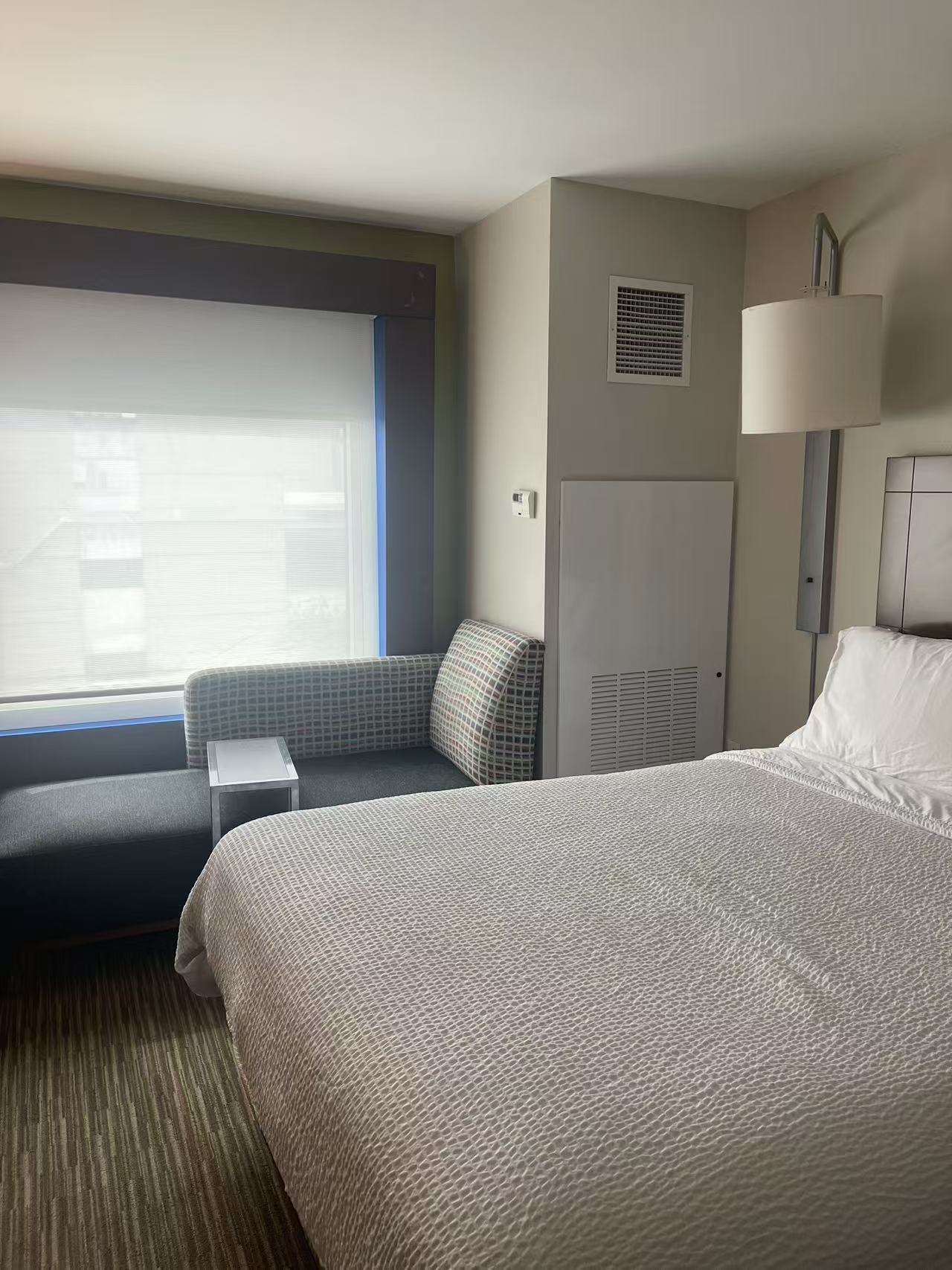
VTAC systems are an option for multi-family residential buildings where individual suites require independent temperature control. Each suite can have its own thermostat and equipment, allowing occupants to adjust comfort settings to suit their needs.
Potential advantages include:
- Individual suite temperature control
- Concealed equipment within a dedicated closet
- Ducted air distribution to the spaces served
- Service access within the suite or from a designated access location, depending on the building layout
Closet dimensions, service clearances, exterior louvre arrangements, and duct routing should be coordinated early in the design.
VTAC in Hotels & Hospitality
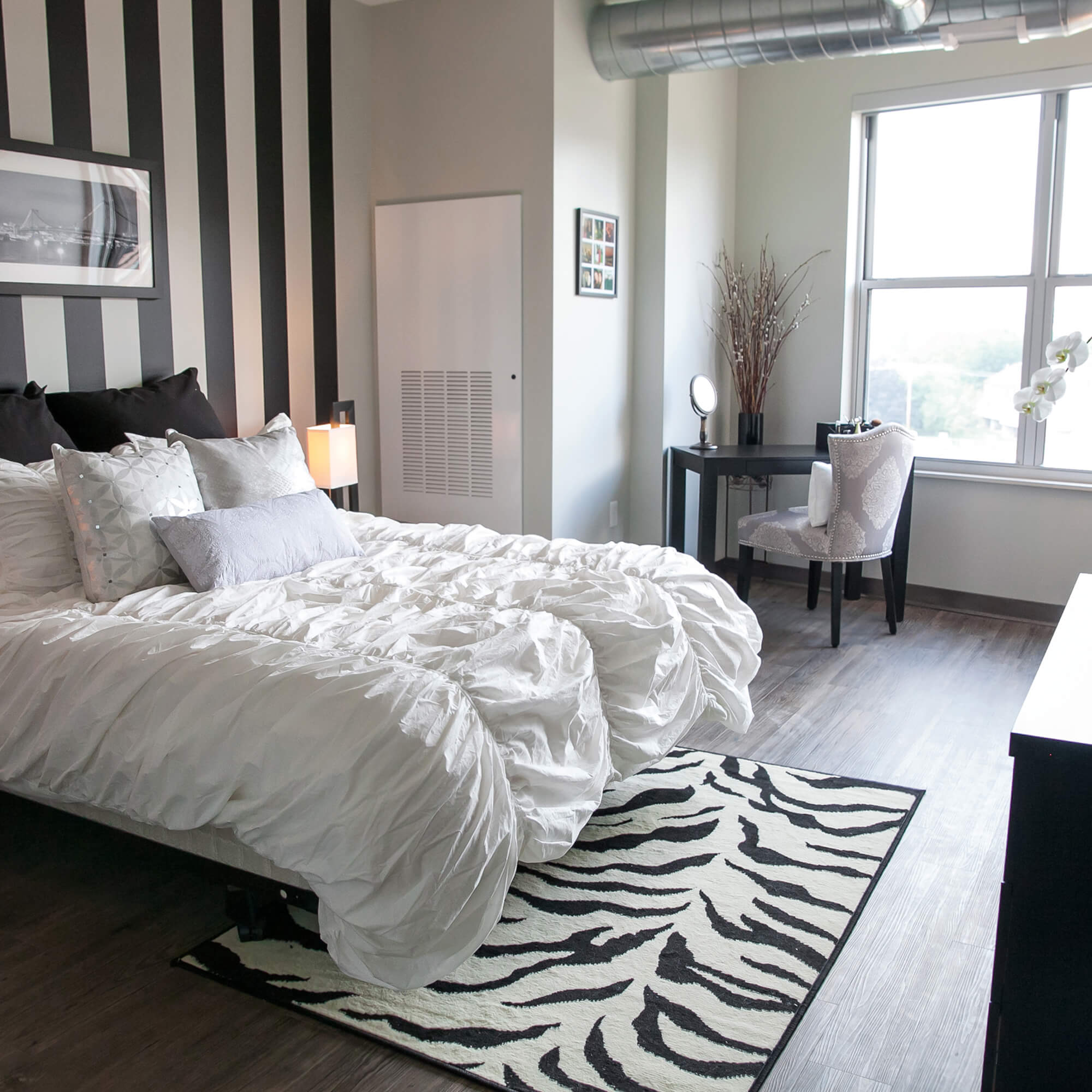
Hotels need room-by-room comfort because occupancy and guest temperature preferences vary. A VTAC system can serve an individual guest room or suite while keeping the main equipment concealed.
Selected systems may support occupancy-based thermostats or building management interfaces. These functions depend on the equipment model, thermostat, and control configuration and should be confirmed during selection.
For hospitality projects, acoustic performance, service access, condensate management, and the guest-room layout are important parts of equipment selection.
VTAC in Senior Living & Assisted Living
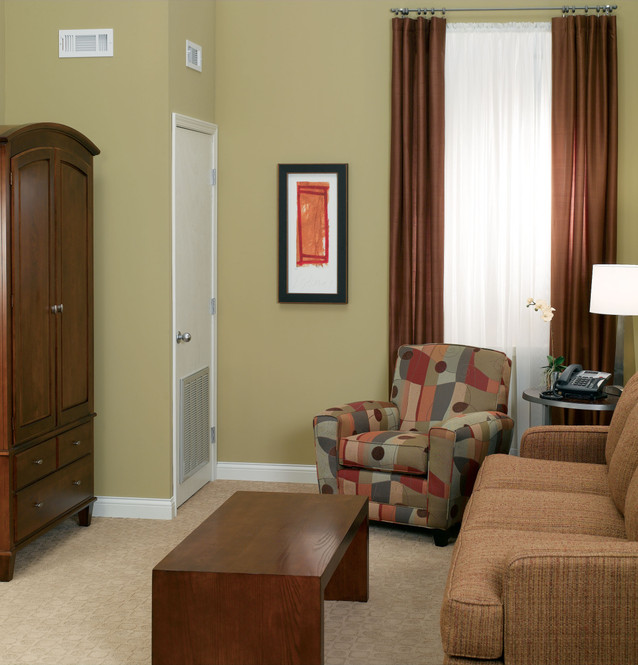
VTAC systems may be considered for senior housing, assisted living residences, and selected non-critical healthcare-related spaces, subject to the project’s design requirements.
Individual temperature control can help accommodate different occupant comfort preferences. Equipment access should also be planned to support maintenance while limiting disruption to residents.
Healthcare design requires additional review. A VTAC unit alone does not establish compliance with ventilation, filtration, pressure-control, or infection-control requirements. Hospital and other regulated care applications require an engineered HVAC design appropriate to the space.
Key Design Considerations
- Building layout: Confirm closet dimensions, required clearances, exterior wall access, and louvre compatibility.
- Winter heating: Evaluate heating capacity at the project’s winter design temperature, operating limits, and any supplemental heat requirements.
- Air distribution and acoustics: Coordinate ductwork, airflow, external static pressure, return-air paths, and sound transmission.
- Electrical and drainage: Verify electrical service, circuit requirements, and the manufacturer’s condensate and defrost-water provisions.
- Ventilation: Establish how outdoor air and exhaust requirements will be met; do not assume the selected VTAC provides the required ventilation.
- Project requirements: Review applicable codes, equipment listings, installation instructions, and occupancy-specific requirements.
Choosing the Right Application
VTAC systems offer a decentralized HVAC option for apartments, hotels, and selected senior living applications. Individual temperature control and concealed equipment can give designers flexibility when planning heating and cooling systems.
The right selection depends on building layout, climate, occupancy, and project-specific engineering requirements.
Planning a VTAC Project?
Contact GLACERA to discuss your application and request product information for engineering review.